
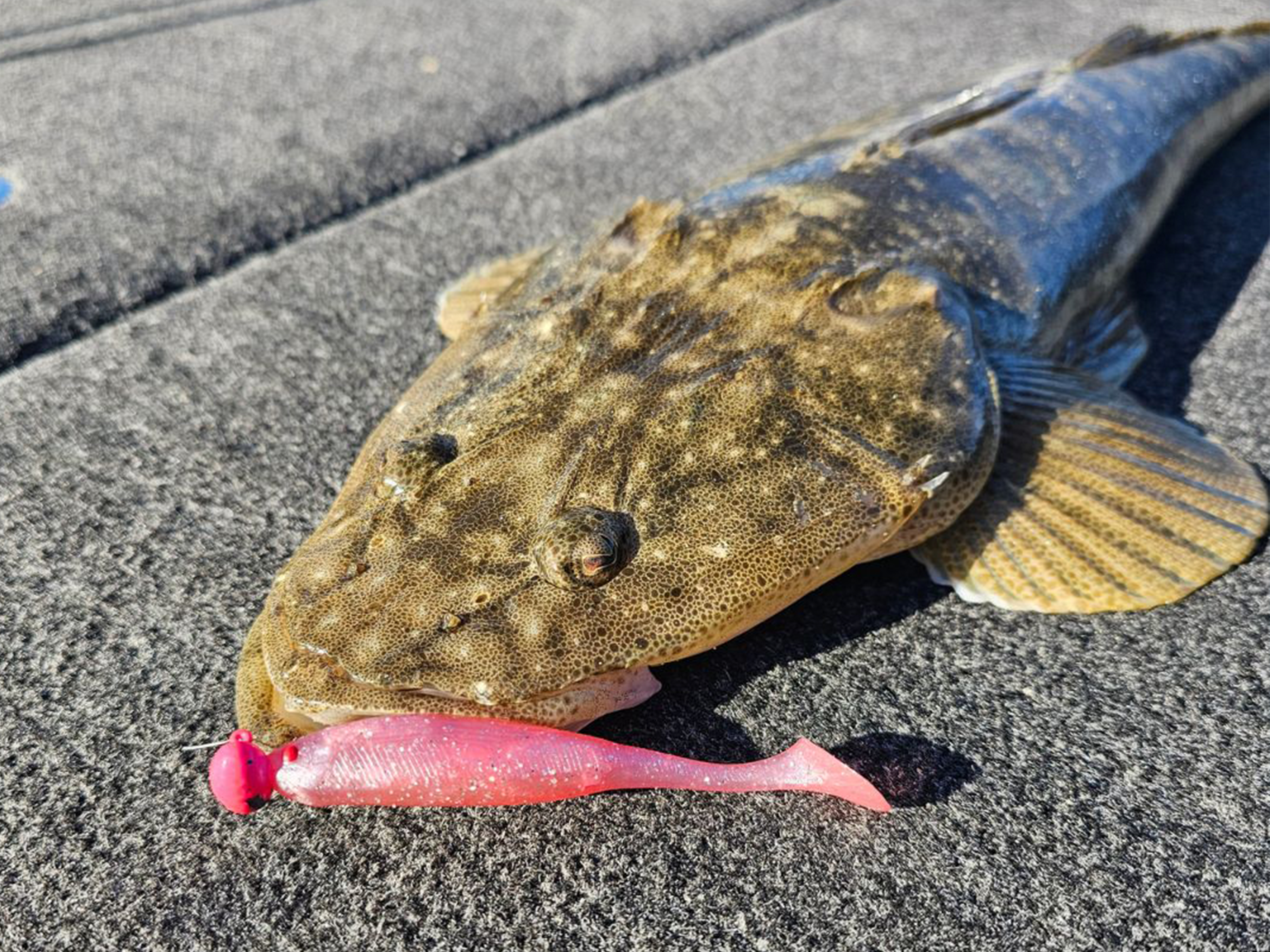
Talk to most anglers about their jig head and the conversation goes straight to weight. An eighth of an ounce here, a sixteenth there, all dialled in to match the depth and current on the day. Ask the same angler why they picked the head shape they're using and you'll usually get a shrug. It's whatever was in the packet, whatever the shop had, whatever's always been in the tackle box.
That's a missed opportunity, because shape does something weight alone can't. It changes how your plastic sits on the bottom, how it behaves through a slow roll, and how it looks to a fish the moment you pause the retrieve. Getting the shape right for the situation is a genuinely simple upgrade most anglers never bother making.
Why Shape Changes the Presentation
A jig head isn't just ballast, it's the anchor point that determines how the whole rig sits in the water. A narrow, bullet-style head behaves completely differently to a wide, flat one, even at the exact same weight, because the surface area and centre of gravity change how the plastic settles, rolls and rests. Ignoring shape and choosing purely on weight means you're only solving half the equation.
Football Heads: Built for Stability on the Move
A football-style head, wide and flat on the bottom, is designed to sit stable rather than roll. Cast one across an uneven or rocky bottom and work it back with a slow roll or a gentle hop, and it tends to track true instead of tipping onto its side the way a rounder head can when it clips a rock or a bit of debris.
That stability matters more than it sounds. A head that rolls unpredictably drags your plastic's tail out of alignment, killing the action you're relying on to trigger a bite. Working structure, broken bottom or anywhere with a bit of current pushing against the rig, a football-style option like the S Tackle Football Jig Head holds its line and keeps the plastic swimming the way it's designed to, rather than tumbling awkwardly through the retrieve.
Mushroom Heads: Built for the Pause
A mushroom-style head does the opposite job. Rather than prioritising stability through the retrieve, it's shaped to stand the plastic upright when the rig comes to rest on the bottom, tail up, looking alive rather than lying flat and lifeless.
That upright rest position matters most on the pause, which for a lot of estuary species is exactly when the bite happens. A flathead or bream that's followed a plastic down on the drop is often deciding whether to commit in that split second it settles. A plastic lying flat on its side reads as dead. One standing up, tail waving gently in the current, reads as something still very much alive and worth eating.
Reading the Ground to Choose Shape
Bottom type is the first thing worth considering. Rocky, uneven or structure-heavy ground rewards the stability of a football head, since it's less likely to tip and drag your presentation off line as it works across the terrain. Clean sand or mud flats, where the plastic is going to spend time sitting still between hops, suit a mushroom head far better, letting the upright stance do its job without any structure to complicate things.
Depth and current play a role too. In faster current where the head needs to hold a stable line without tumbling, the wider base of a football style is the safer bet. In calmer, shallower water where finesse and a natural resting posture matter more than fighting the current, mushroom heads earn their keep.
Reading the Retrieve You Want to Fish
Think about how much time your plastic is actually going to spend paused versus moving. A retrieve built around long pauses, letting the plastic sit and inviting a fussy fish to commit, is where a mushroom head shines. A retrieve built around continuous movement, a slow roll or steady hop across structure, is where the football head's stability keeps everything tracking properly.
Common Mistakes
The most common mistake is simply not thinking about shape at all, grabbing whichever head is closest regardless of the ground or retrieve. The second is running a mushroom head through genuinely rough, structure-heavy ground where the lack of a stable base means the rig tips and tangles more than it should. The third is using a football head in situations built entirely around the pause, missing the upright presentation that would have made those pauses far more effective.
The Bottom Line
Weight gets your plastic to the right depth, but shape decides how it behaves once it's there. Matching a football head to structure and moving retrieves, and a mushroom head to pauses and finesse presentations on clean ground, is a small adjustment most anglers never think to make, and one that consistently turns a following fish into a committed one.
Ready to match your head shape to the session? Browse the full S Tackle jig head range at stackle.com.au. So real predators don't hesitate.


